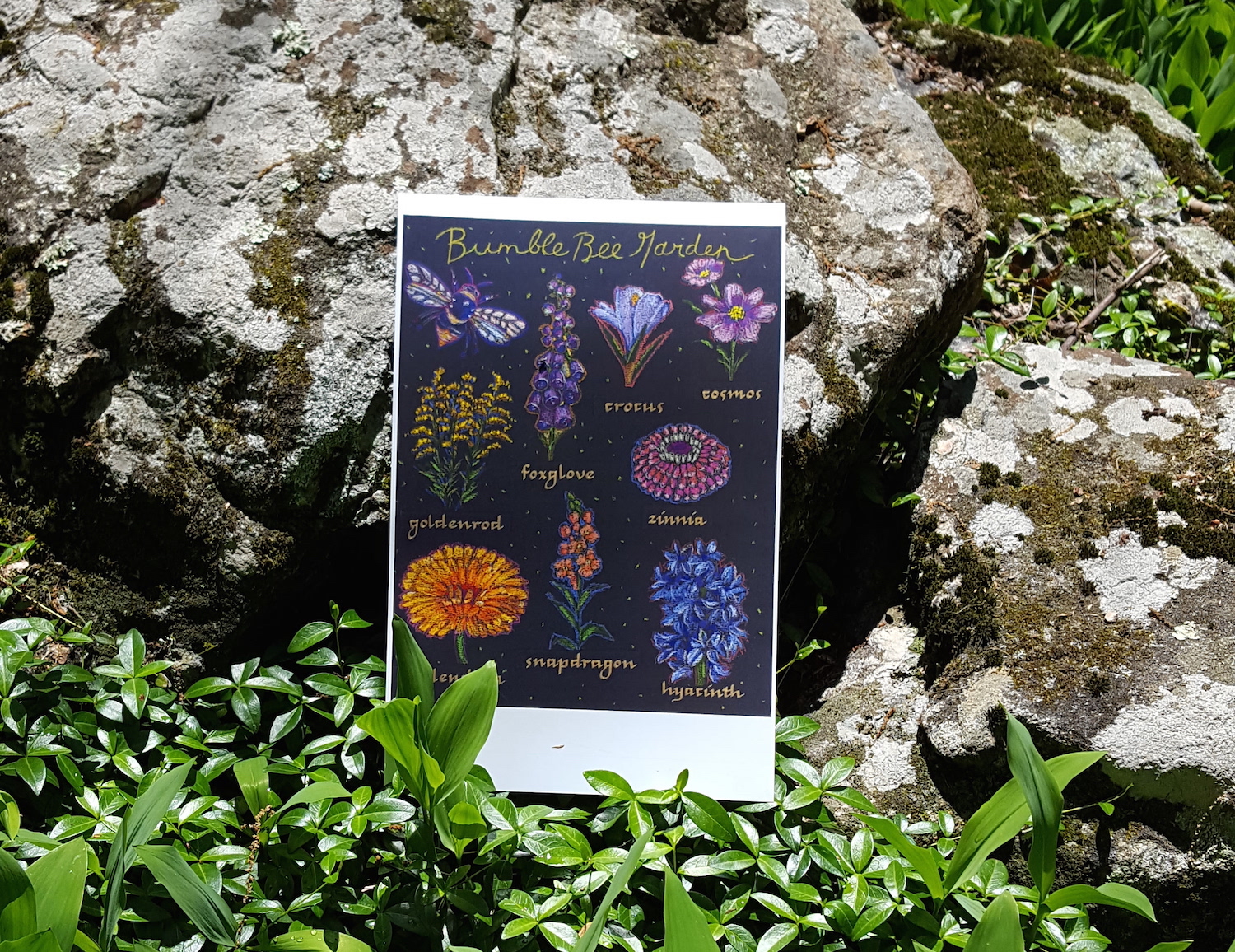
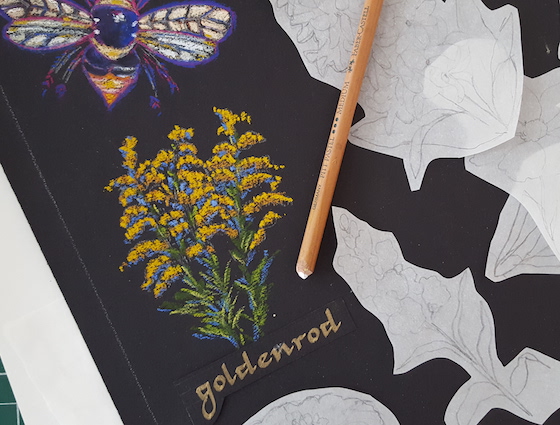
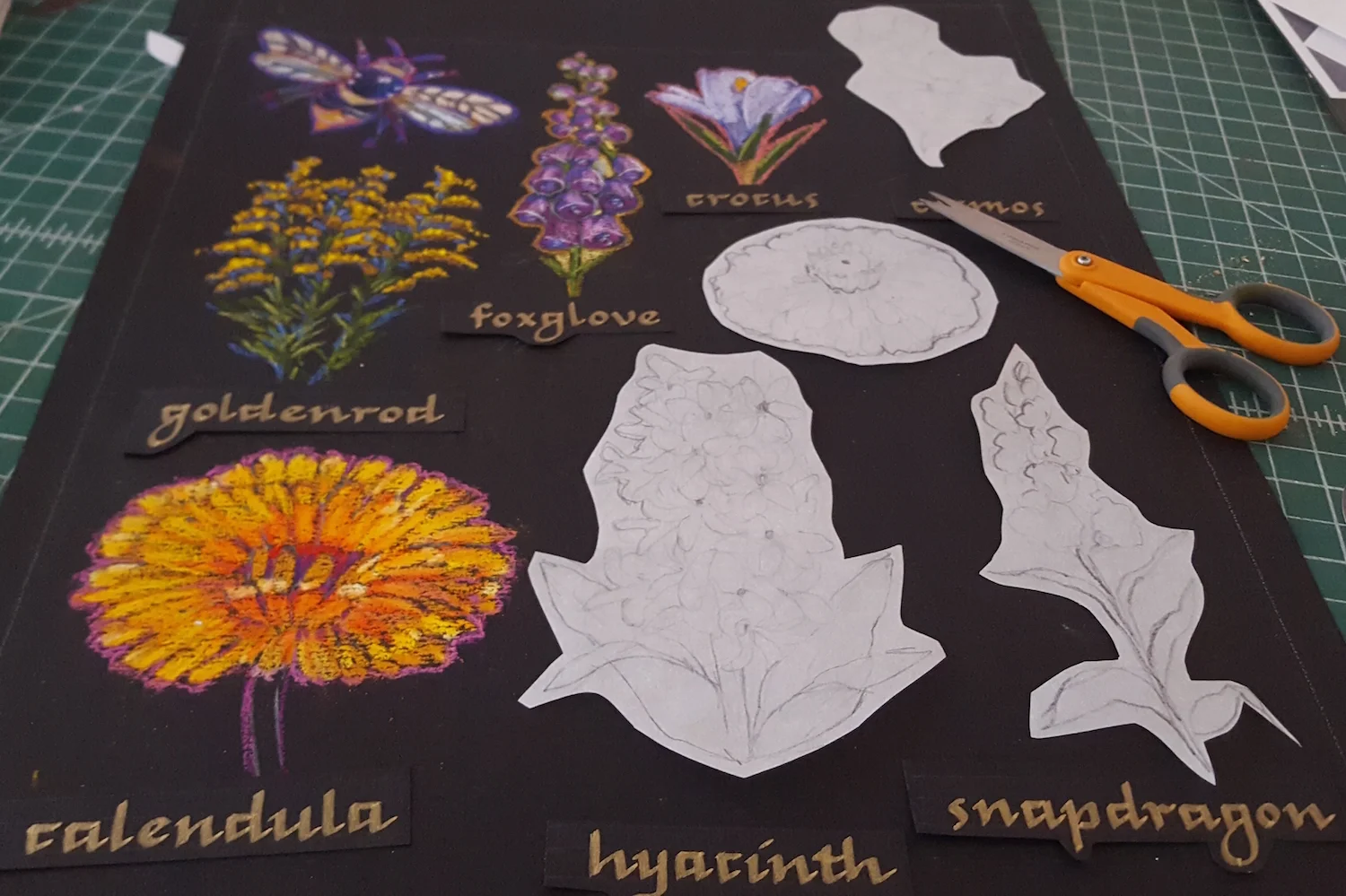
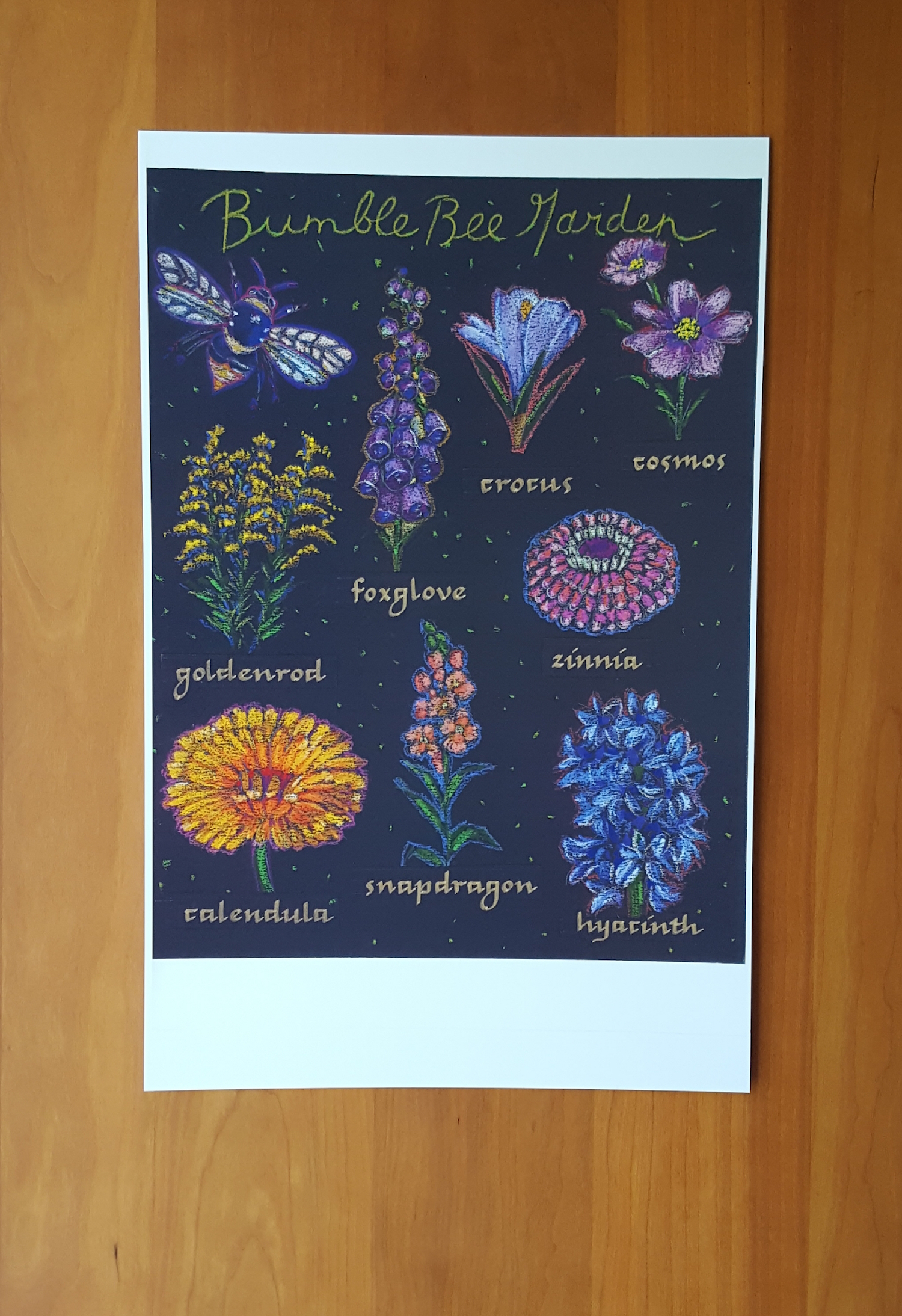
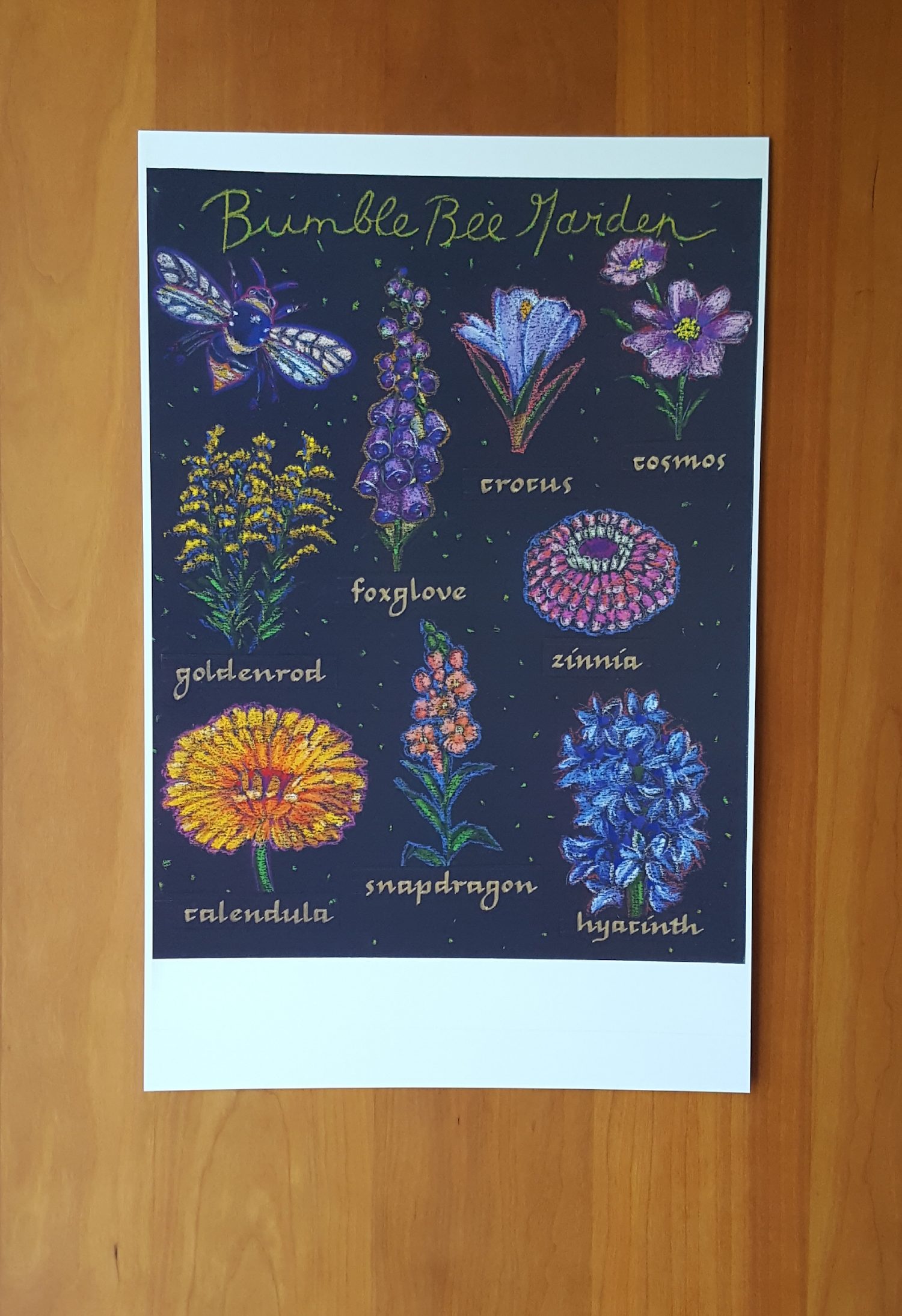
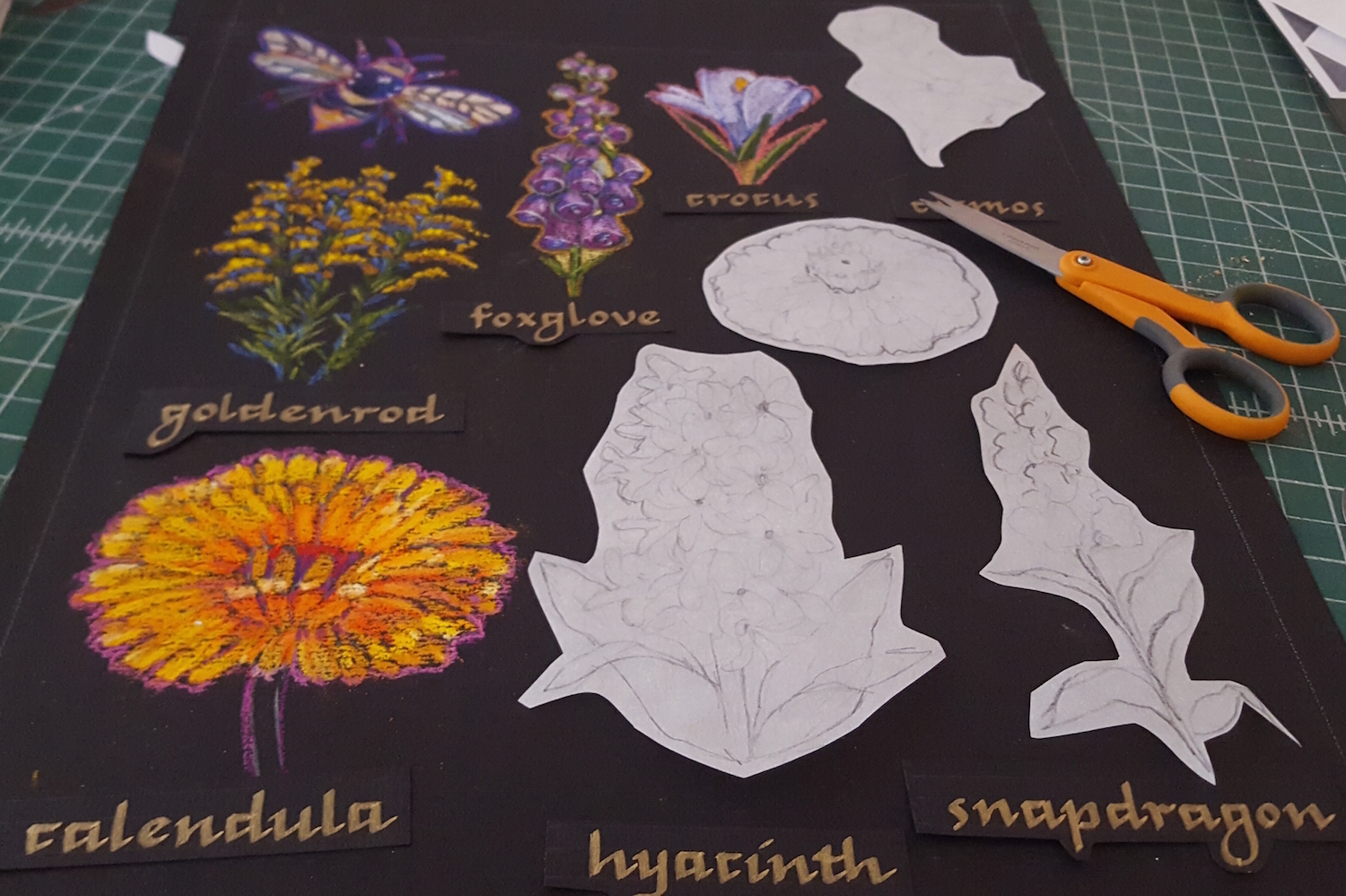
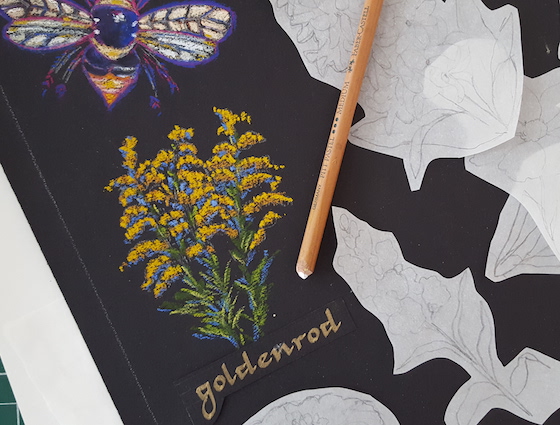
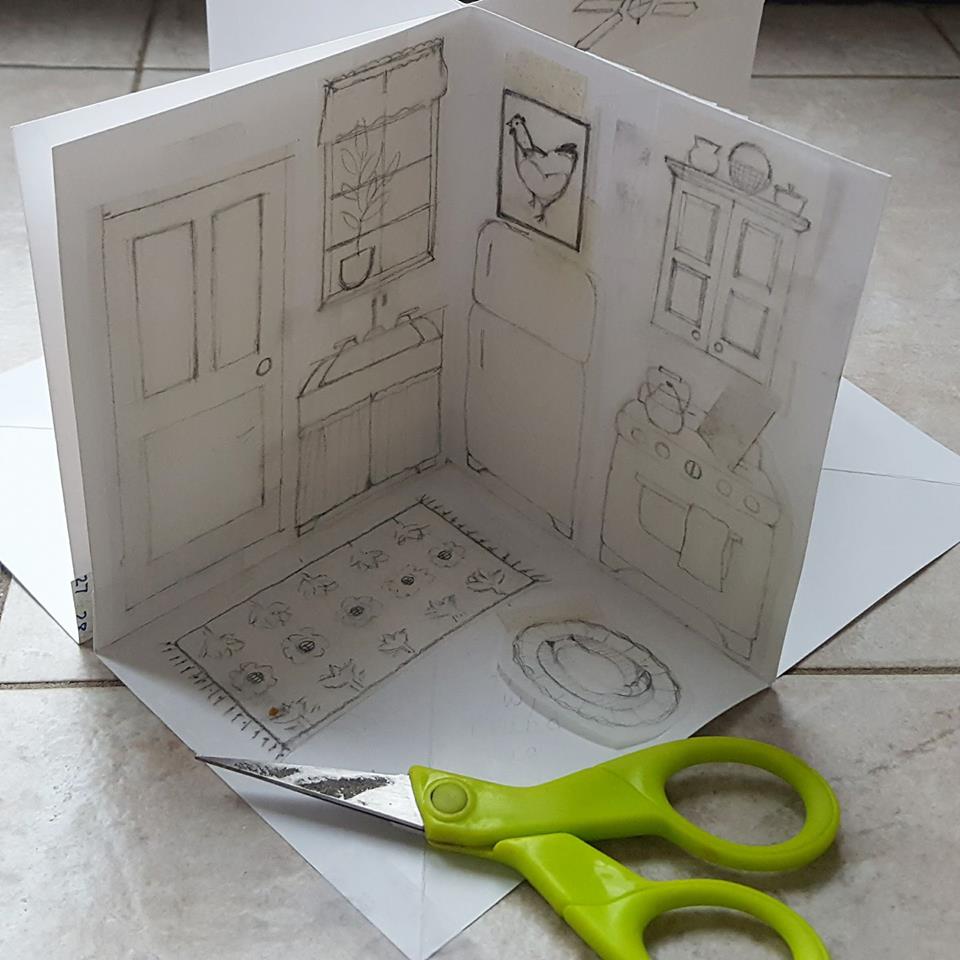
Most of my art-making time is spent creating two dimensional pieces. I set up still lifes in my kitchen, or take my easel outside to work en plein air using pastels on paper. Occasionally I use photos as reference, but I prefer working from life. No matter the setting, I always wind up with smudges of chalk on my hands and even my face. Lately, I have been flexing my creative muscles with a new pursuit that has given me hours of enjoyment in this solitary period during the pandemic.
Well over a year ago, I added an image to one of my Pinterest boards of a charming cloth rag doll. I kept returning to the image, but when I tried to find the doll maker I came to a dead end. I was quite disappointed, but after googling instructions on making rag dolls I decided to give it a whirl. I must confess that I grow impatient when researching some detail of the creative process when I am met with overly lengthy Youtube videos that are poorly lit and take forever to get to the point. However, I found a couple blog posts that gave me enough information to get started.
My intent was never to copy the rag doll that I first fell in love with, but to make something that was uniquely my own. The beauty of Pinterest is that you can save inspiration in one place, and I frequently use images as a starting point, especially when planning art projects to do with children. I drew my own doll pattern on card stock. Each time I have made a new doll I have tweaked the proportions a bit, sometimes because I feel that the arms are too skinny or the head too big, but also so that each doll is different. I trace the pattern onto muslin that is backed with an iron-on interfacing. All of the body parts are stitched together by hand, turned right side out with tweezers, and stuffed with a fiber filling. Joining the limbs to the body is the trickiest part for me. It is easy to wind up with a doll that is lopsided or won’t sit because she has too much stuffing in her upper thigh!
The fun part comes next. Painting the face, making the clothes and jewelry, styling the hair is where the imagination and the doll’s personality merge. My friend Madeline gave me at least a dozen vintage handkerchiefs to transform into skirts with scalloped hemlines. I turned a handmade sweater that my mom had knitted for me many years ago into a doll sweater. Tiny beads from past projects became dangling earrings. Shoes are painted on or made from felt. Tiny pompoms become hair. The innovation that the doll making involves as well as my personal attachment to some of the materials adds to the appeal of the dolls. Small imperfections exist for sure, but overall the process and the finished product have been gratifying to me.
Last Saturday I participated in an outdoor holiday market. I debated whether or not to bring the dolls. Would it be confusing to a shopper? Would I seem unfocused by showing different disciplines. In the end, I decided to bring them and they received an enthusiastic response. Another vendor, who happens to be an art teacher, observed that all the items exhibited the same aesthetic, and were obviously made by one artist. After all the back and forth that took place in my head, it took a stranger to give me clarity and confidence.